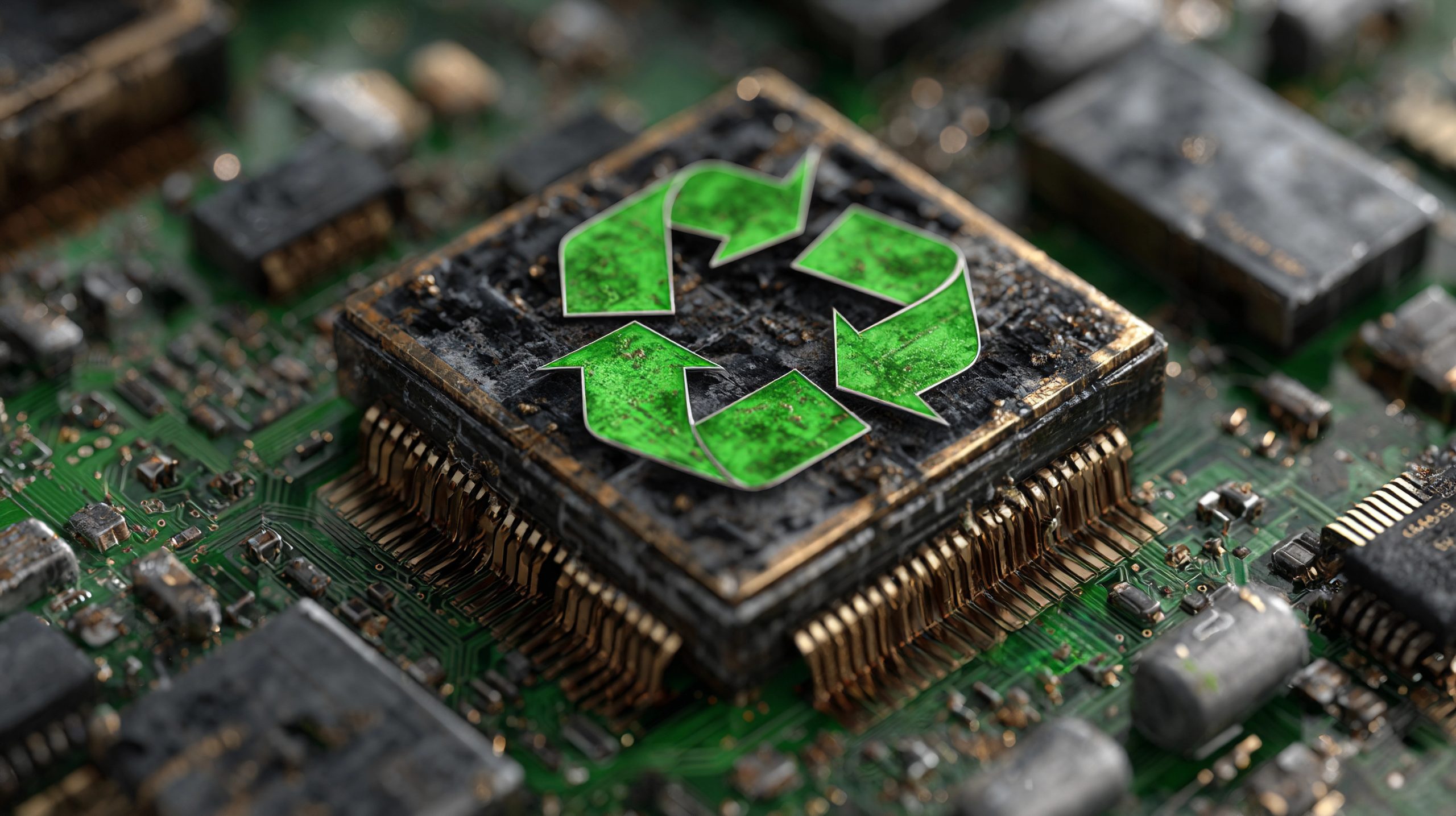
What Is WEEE?
May 5, 2026
WEEE stands for Waste Electrical and Electronic Equipment. It refers to regulations that require businesses and individuals in the UK to dispose of electrical items safely through approved recycling processes to protect the environment and ensure compliance with legal standards.
What does WEEE stand for
The WEEE meaning is straightforward but essential for any organisation handling electrical equipment. It stands for Waste Electrical and Electronic Equipment and covers the collection, treatment and recycling of electronic items at the end of their life.
These regulations exist to reduce the environmental impact of discarded electronics, prevent hazardous materials entering landfill and support responsible e-waste recycling across the UK. Read official guidance on WEEE regulations.
What is WEEE waste
WEEE waste includes most items that require electricity to function and are no longer in use.
Common examples include:
- computers and laptops
- servers and networking equipment
- monitors and peripherals
- office electrical equipment
- small electronic devices
For many organisations, IT equipment recycling forms a significant part of their electrical waste disposal responsibilities, especially during upgrades or office clearances.
WEEE regulations in the UK
WEEE regulations place a legal responsibility on UK businesses to manage electrical waste correctly.
This includes a duty of care to ensure waste is stored safely, transported by licensed providers and processed through authorised recycling facilities. Working with approved providers is essential to remain compliant.
Regulatory oversight is provided by the Environment Agency, which offers further guidance on responsible disposal.
Why WEEE compliance matters
WEEE compliance is critical for both legal protection and environmental responsibility.
As a result, proper compliance helps businesses:
- avoid fines and legal penalties
- reduce landfill and environmental harm
- support sustainability goals
- maintain trust with customers and stakeholders
Improper disposal of electrical waste can lead to serious consequences, while responsible recycling supports long-term sustainability and strengthens your business reputation.
How businesses should dispose of WEEE
A structured approach to electrical waste disposal ensures compliance and reduces risk.
Use approved recycling providers
Always work with certified providers who specialise in IT equipment recycling and electrical waste disposal.
Using a trusted service such as OCM’s IT Collection services ensures your equipment is handled safely and in line with UK regulations.
Ensure secure data removal
Before disposing of IT equipment, all data must be securely removed. This ensures your business remains protected and reduces the risk of data breaches.
Maintain documentation
Accurate documentation is a key part of WEEE compliance.
Businesses should retain:
- waste transfer notes
- certificates of recycling
- clear audit trails
These documents prove that your electrical waste has been disposed of legally and responsibly. Working with a trusted provider simplifies the entire process and ensures your business remains compliant at every stage.
What happens to WEEE waste
Once collected, WEEE waste is processed to recover value and reduce environmental impact.
This may include refurbishment and reuse of working equipment, recovery of components, recycling of materials such as metals and plastics and the safe disposal of hazardous elements.
This approach supports e-waste recycling, helps reduce landfill and contributes to more sustainable IT practices.
Common mistakes businesses make
Many organisations fall short of compliance due to avoidable errors.
Common mistakes include:
- disposing of electrical items in general waste bins
- using unlicensed or unknown providers
- failing to remove data securely
- not keeping proper documentation
Avoiding these issues is essential for maintaining compliance and protecting your business.
How WEEE links to IT asset disposal
WEEE compliance plays an important role in IT asset disposal.
It forms part of the overall lifecycle of IT equipment, particularly during upgrades, relocations and office clearances. Proper handling ensures devices are reused, recycled or disposed of responsibly.
It is also closely linked to secure data destruction and compliance standards. You can learn more about certified processes.
Frequently asked questions
What does WEEE stand for
WEEE stands for Waste Electrical and Electronic Equipment and refers to UK regulations governing the disposal and recycling of electrical items.
What is classed as WEEE waste
WEEE waste includes any unwanted electrical or electronic equipment such as computers, monitors, servers and office devices.
Do businesses have to follow WEEE regulations
Yes, all UK businesses must comply with WEEE regulations when disposing of electrical waste.
Can you throw electrical items in the bin
No, electrical items must not be placed in general waste and should always be disposed of through authorised recycling channels.
How do you dispose of IT equipment legally in the UK
Businesses should use licensed recycling providers, ensure secure data removal and maintain proper documentation to meet all legal requirements.