Recovering value from redundant IT while meeting sustainability goals
March 3, 2026
During 2024 and 2025, OCM purchased in excess of £1 million worth of redundant IT equipment from organisations across the UK. This milestone highlights a clear shift in how businesses are approaching end of life technology. Rather than viewing redundant IT as a cost or compliance headache, more organisations are recognising it as a recoverable asset that can deliver both financial return and measurable environmental benefit.
This blog explores why demand for IT asset recovery is accelerating. Plus how reuse-first models support value and how OCM’s certified, transparent processes support sustainability and data security.
Real case study insight from 2024 and 2025 demonstrates what is possible when redundant IT is managed strategically rather than reactively.
Why redundant IT is no longer just waste
Across the public and private sectors, IT refresh cycles are becoming shorter. Cloud migration, hybrid working and other concerns like security requirements all contribute to organisations replacing devices more frequently. Laptops, desktops, servers and network equipment can quickly become surplus, even though much of this technology still has usable life.
Historically, redundant IT was treated as waste electrical equipment, with organisations paying for disposal to meet WEEE regulations. That mindset is changing. Rising sustainability expectations and pressure to demonstrate ESG performance alongside tighter budgets are encouraging businesses to look again at the residual value sitting in their IT estates.
When handled correctly, redundant IT can generate a financial return while supporting carbon reduction targets. The key is choosing a partner that prioritises reuse and operates securely whilst providing the reporting required for audit and governance purposes.
The growing demand for reuse-first IT asset recovery
The £1 million plus of redundant IT purchased by OCM during 2024 and 2025 is not an isolated figure. It reflects a wider market trend where organisations are actively seeking reuse-first solutions rather than default recycling.
Reuse delivers significantly higher environmental benefits than recycling alone. Extending the life of IT equipment avoids the emissions associated with manufacturing new devices and reduces demand for raw materials. According to WRAP – an NGO who work worldwide to transform those systems to create a thriving, sustainable world where circular living is commonplace – reuse typically delivers the highest carbon savings within the waste hierarchy, ahead of recycling and recovery.
For businesses, reuse also creates value. Devices that are securely wiped, tested and refurbished can be resold into secondary markets. This creates a revenue stream from assets that may otherwise have been written off, while still meeting compliance and sustainability requirements.
Case study insight from 2024 and 2025
Throughout 2024 and 2025, OCM delivered secure, compliant IT recovery and reuse services for organisations operating at scale and under complex requirements. These real case studies demonstrate how reuse-first thinking, supported by certified data destruction and strong logistics, delivers measurable environmental and financial outcomes.
Deloitte
A clear example of reuse at scale can be seen in OCM’s IT lifecycle management work with Deloitte. Through this long-term partnership, OCM refurbished and redeployed thousands of devices that would otherwise have entered the waste stream. By prioritising reuse and certified data erasure, the programme supported Deloitte’s wider sustainability and social value objectives while ensuring data security and full reporting throughout the asset lifecycle. Our case study with Deloitte is featured online.
Blancco
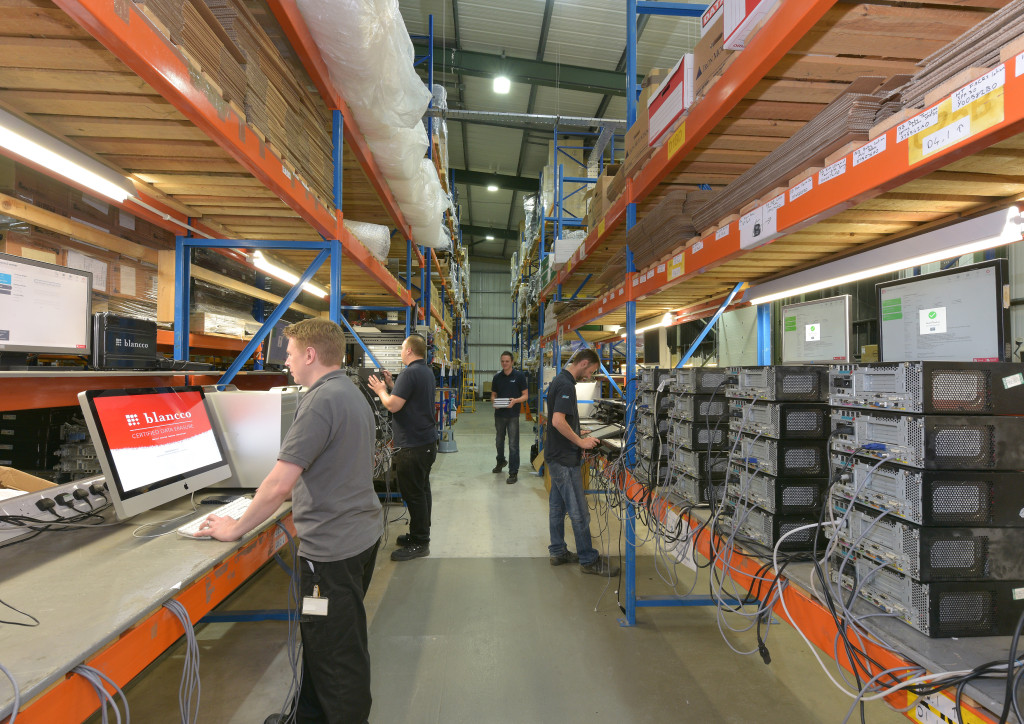
Secure data destruction underpins every reuse outcome. OCM’s work with Blancco highlights how certified data erasure software is used to sanitise data-bearing devices to recognised standards, supported by auditable reporting. This approach enables organisations to confidently release equipment for reuse or recycling, knowing that data security obligations have been met without compromise. Read the full Blancco case study.
Advance Couriers
Reliable logistics also play a critical role in successful IT recovery. OCM’s partnership with Advance Couriers supports time-sensitive and high-volume collections across the UK, ensuring assets are moved securely, tracked accurately and processed efficiently. This capability enables OCM to support national programmes and multi-site operations without disruption to clients. Take a look at the case study with Advance Couriers.
Insolvency Practitioners
OCM’s experience supporting administrators and insolvency practitioners further demonstrates its ability to recover value from redundant IT in complex and often high-pressure scenarios. These projects require rapid mobilisation, secure handling of data-bearing assets and clear accountability, with reuse and resale forming a key part of maximising returns for stakeholders wherever possible. A write-up on our work with administrators and insolvency practitioners is online.
Across these engagements, the same principle applies. When reuse is embedded from the outset and supported by secure processes and certified partners along with transparent reporting, organisations achieve stronger financial returns alongside demonstrable environmental and compliance benefits.
Data security remains non-negotiable
One of the main barriers organisations cite when considering reuse is data security. This concern is valid. Any reuse-first approach must be underpinned by robust, auditable data destruction processes.
OCM integrates secure data destruction into every stage of its service. Data bearing devices are processed using certified wiping software aligned with recognised standards. Where wiping is not appropriate, physical destruction is carried out in line with best practice, with full certification provided.
For clients, this means confidence that sensitive data is fully protected, whether equipment is reused or recycled. Read all about our services and our ongoing partnership with data erasure leaders Blancco.
Compliance, transparency and reporting
In addition to data security, compliance is a key driver of demand for professional IT asset recovery. Organisations must demonstrate adherence to WEEE regulations, duty of care requirements and internal governance standards.
OCM’s processes are designed to make compliance straightforward. Clients receive clear documentation covering collections, data destruction outcomes, reuse rates and recycling where required. Transparent reporting supports audits, ESG disclosures and sustainability reporting, removing uncertainty around what has happened to redundant assets.
This level of transparency is increasingly important as stakeholders, regulators and customers expect evidence rather than statements of intent. Learn more about our certifications.
Financial return without compromising responsibility
The £1 million worth of redundant IT purchased by OCM during 2024 and 2025 represents real money returned to UK organisations. In many cases, this income has been reinvested into refurbished technology. Plus sustainability initiatives including Staff Sales Incentives or donated to good causes across the UK.
Crucially, this financial return does not come at the expense of environmental or ethical responsibility. Reuse-first models align commercial and sustainability objectives, proving that organisations do not have to choose between the two.
Looking ahead with OCM
As technology continues to evolve and sustainability expectations increase, the volume of redundant IT will only grow. Organisations that plan ahead and partner with specialists who prioritise reuse, security and compliance will be best placed to recover value and demonstrate responsible practice.
The experience of 2024 and 2025 shows that when redundant IT is managed strategically, it can deliver measurable financial return as well as reduced environmental impact and peace of mind around data security.
For businesses reviewing their IT disposal strategy, the message is clear. Redundant IT is not just an obligation to manage. It is an opportunity to do better for the balance sheet, for compliance and for the environment.